

Introduction
You are looking at Dubai’s real estate market and wondering how to make smart property investments. Maybe you have heard about the Dubai Golden Visa or want to grow your wealth through rental income. But where do you start? This is where understanding what does a financial advisor do becomes important.
A financial advisor does more than manage stocks or retirement accounts. In Dubai, the role of a financial advisor includes helping you connect complex wealth management with real estate opportunities. Think of them as a guide who helps you see the full picture.

They look at your money goals, your risk comfort level, and your plans for living in the UAE. Then they help you choose properties that fit those goals.
One big reason people invest in Dubai property is the chance to get long-term residency. The UAE offers a Golden Visa for investors who meet certain conditions. A good advisor helps you understand these rules. For example, what does a financial advisor do when you want a Golden Visa? They help you plan your investment amount, pick properties that qualify, and handle the paperwork with confidence. According to the official UAE government platform, you need at least AED 2 million in real estate to apply for a Golden Visa under the investor category. A financial advisor makes sure your property purchase meets this threshold and fits your overall financial plan.
This is not just about buying a home. It is about planning financial moves that support your long-term wealth and your lifestyle. A certified financial advisor looks at taxes, currency exchange, and how your Dubai property fits with assets you own in other countries. They help you avoid costly mistakes and find properties that give you stable rental income and good growth potential.
If you want a deeper look at this topic, check out our guide on what a financial advisor does for Dubai property investors. It explains the specific ways an advisor adds value to your real estate journey.
Ready to take the next step? Whether you are buying, selling, renting, or investing in Dubai, connect with Ayaz Salman for a FREE Dubai Real Estate Consultation. Get personalized advice that matches your goals.
Defining the Financial Advisor’s Core Role
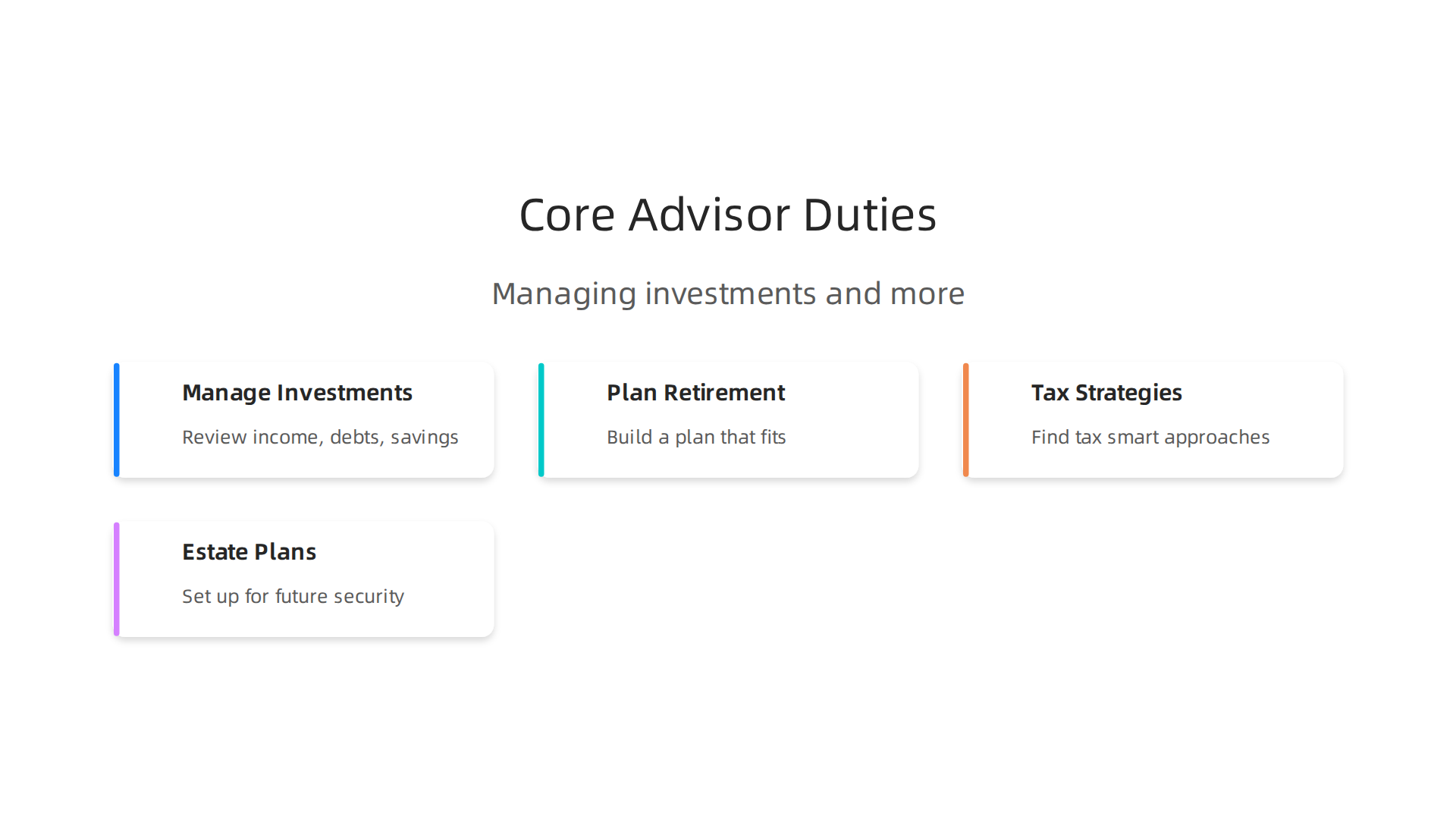
So, what does a financial advisor do at its simplest level? They help you figure out where your money is now, where you want it to go, and how to get it there safely. A good advisor starts by looking at your full financial picture. They review your income, debts, savings, and what matters most to you. Then they build a plan that fits your life.
Core duties include managing investments, planning for retirement, finding tax smart strategies, and setting up estate plans.
In Dubai, many advisors focus on expats and international investors. They understand local rules and how your property holdings connect with your global wealth. For a detailed list of common tasks, check out this resource on personal financial advisor duties from O*NET.
If you are looking for a trustworthy guide in the UAE, learning how to choose a fiduciary financial advisor in Dubai is a smart next step.
So, what does a financial advisor do day to day? Their key responsibilities fall into three main areas.
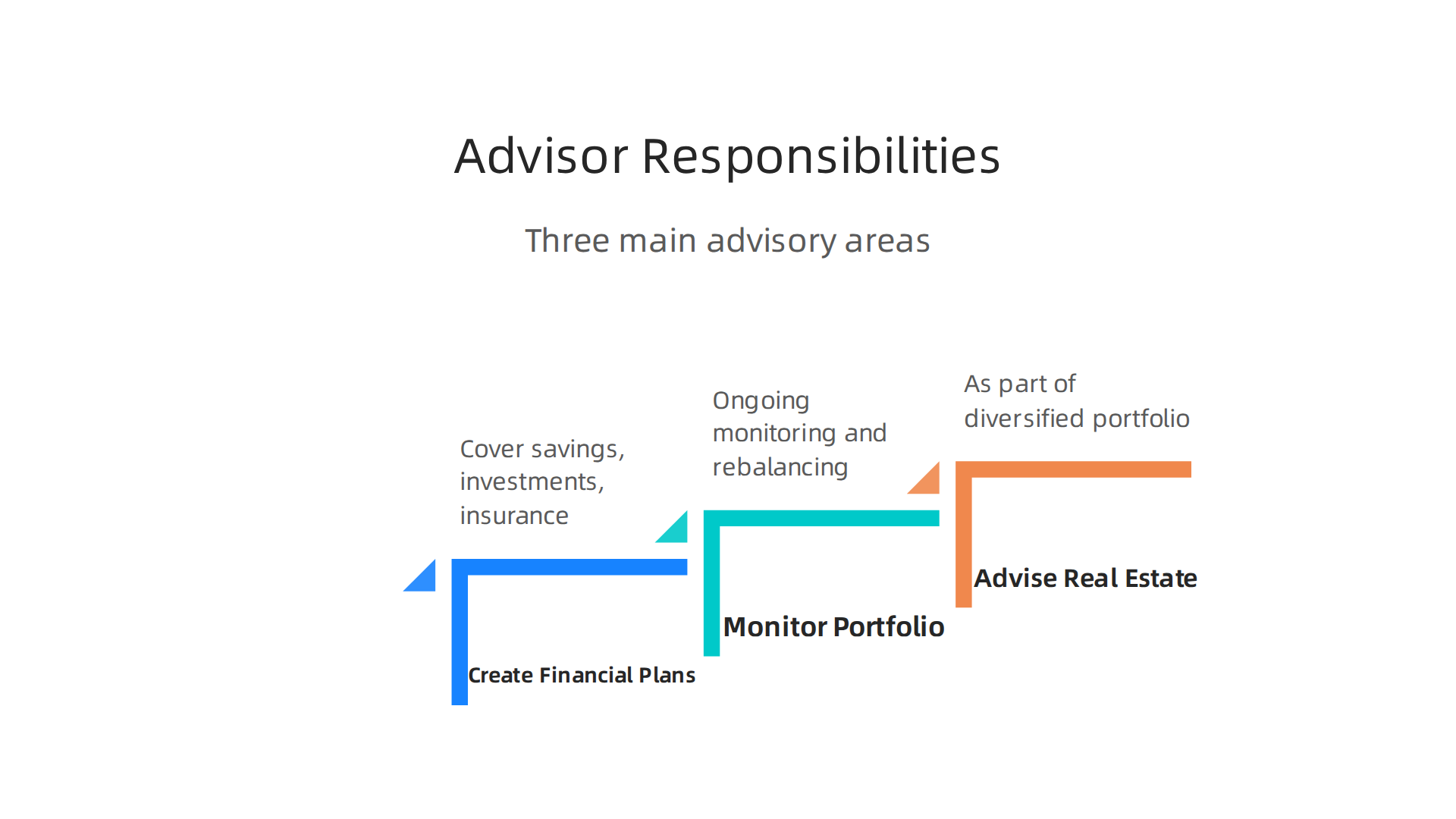
First, they create comprehensive financial plans that cover savings, investments, insurance, and debt management. This means looking at your full financial picture and building a roadmap that works for you. A good advisor also provides ongoing portfolio monitoring and rebalancing. Markets shift, and your portfolio needs to shift with them to stay aligned with your goals and risk tolerance. For a deeper look at these core duties, check out this detailed overview of what a financial advisor does.
Second, they advise on real estate as part of a diversified portfolio. This includes direct property ownership and real estate investment trusts (REITs). In Dubai, where the property market is a major wealth builder, an advisor helps you decide which type of real estate fits your plan. If you are considering buying in Dubai, a step by step guide on how to buy rental properties in Dubai can help you get started.
Whether you are buying, selling, renting, or investing, getting the right guidance can save time and money. You can get a FREE Dubai Real Estate Consultation with Ayaz Salman to discuss your specific situation.
Types of Financial Advisors
Not all financial advisors are the same. The type you choose depends on your goals and how much help you need. Here are the main kinds you will find.

Robo-advisors are automated platforms that build and manage a portfolio for you using algorithms. They are low cost and work well for basic investing. Financial planners take a big picture approach. They look at your whole life savings, taxes, insurance, and estate plans. Wealth managers serve high net worth clients and offer advanced services like tax strategy and estate planning. Specialized real estate advisors focus on property investments. They help you analyze deals, financing, and market timing.
In Dubai, the line between a financial advisor and a real estate agent is important. A real estate agent helps you buy or sell a specific property. A financial advisor looks at your entire portfolio and recommends how real estate fits in. The UAE does not require a license to call yourself a financial advisor, so you must check qualifications carefully. This is a key point in the Financial Advisor Dubai Guide which explains local regulations.
Regulatory oversight in Dubai comes from two main bodies. The Dubai Financial Services Authority (DFSA) oversees firms in the Dubai International Financial Centre (DIFC). The Securities and Commodities Authority (SCA) regulates advisors onshore across the UAE. Always confirm which regulator your advisor reports to.
If you are a property investor, you need an advisor who understands Dubai real estate well. Learn more about how to choose a fiduciary financial advisor to ensure you pick someone who puts your interests first.
Integrating Real Estate into a Comprehensive Financial Plan
Many Dubai investors treat property as a standalone bet. That is a mistake. A skilled financial advisor treats real estate as part of your bigger picture.

They match property choices to your cash needs, time goals, and overall mix of assets. In Dubai, the tax-free environment and strong rental yields make property especially powerful. According to Gorilla Real Estate, Dubai can serve as a tax-efficient anchor within an international portfolio. To see how an advisor ties all this together, check out what does a financial advisor do for Dubai property investors. Ready to build your plan? FREE Dubai Real Estate Consultation
Portfolio Diversification with Dubai Property
So why does a financial advisor push you to use property for diversification? It is simple. Real estate is a tangible asset. It does not move in lockstep with the stock market. When equities take a dip, your Dubai apartment keeps collecting rent. That balance protects your overall wealth.
A good advisor does more than just tell you to buy a villa. They dig into the numbers. They look at rental yields, capital appreciation potential, and where Dubai is in its property cycle. For example, is the market overheating or still climbing? They also help you choose between off-plan projects and ready secondary market units. Each option has different risk and reward. A smart mix is what builds lasting gains.
In 2026, having a clear plan for diversification matters more than ever. The Westgate team offers a practical Dubai real estate diversification guide for 2026 that covers asset classes and when to use off-plan versus ready property. Pair that with your advisor’s help, and you get a roadmap that fits your goals.
If you want to start building your rental income stream, check out this step by step guide to buying rental properties in Dubai. It walks you through the process from finding the right area to closing the deal.
Tax and Cross-Border Planning for Expats
After securing your property portfolio, understanding what a financial advisor does for tax and cross-border planning becomes your next priority. Dubai offers zero personal income tax and zero capital gains tax, which is a huge draw for expats. But here is the catch: your home country might still want a piece of your income. A good advisor helps you see the whole picture.
A certified financial advisor will look at your citizenship and residency status. They help you structure property ownership to be tax efficient. For example, buying under a company name instead of your personal name can change how profits are taxed back home. They also guide you through programs like the UAE Golden Visa, which offers long-term residency and full business ownership. The official UAE government site has details on Golden Visa eligibility and benefits.
Another big piece is estate planning. If you own property in Dubai and hold assets in another country, your will must work across both systems. Without proper planning, your heirs could face delays or unexpected taxes. Advisors help you set up a cross-border estate plan that protects your family.
For a deeper look at how property fits into your overall retirement and social security planning, check out this expat retirement planning guide. It covers integrating social security with Dubai real estate.
Still wondering how to structure your investments for maximum tax efficiency? Schedule a FREE Dubai Real Estate Consultation with Ayaz Salman to get personalized advice on cross-border planning and property ownership.
Now that you understand the tax side, let’s look at another big reason people invest in Dubai property: getting residency. Many expats come to Dubai not just for tax-free income but also to secure a long-term future there. This is where understanding what does a financial advisor do becomes critical.
The Financial Advisor’s Role in Securing Investor Residency
Investor visas and Golden Visas are directly tied to property investments that meet specific thresholds. The rules are clear but not always simple. You need to buy property worth at least AED 2 million to qualify for the 10-year Golden Visa. But the exact requirements change over time. A qualified advisor tracks these updates for you.
A certified financial advisor reviews your financial situation and helps you choose a property that fits both the visa rules and your budget. They guide you through the entire process. This includes gathering the right documents, understanding the application steps, and planning for long-term residency needs. Without an advisor, you might buy a property that looks good but does not actually meet the visa criteria. That mistake can cost you time and money.
The advisor also helps you think long term. Investor residency is not a one time thing. You need to maintain your property, pay service charges, and sometimes renew your visa every few years. An advisor builds a plan that keeps your investment aligned with your residency goals. They also check that the property can generate enough rental income to cover ongoing costs. This balance between visa requirements and financial returns is what makes an advisor valuable.
If you want to dig deeper into the specific steps for buying rental property in Dubai, take a look at this step-by-step guide to buying rental properties in Dubai. It covers everything from finding the right area to closing the deal.
For a broader view, a Dubai real estate diversification guide for 2026 can help you see how different property types and locations support your residency plan while spreading risk.
In the end, getting investor residency is not just about meeting a price tag. It is about making sure the property works for your long-term finances and your life in Dubai.

That kind of planning is exactly what a fiduciary financial advisor provides.
Fees, Compensation Models, and Fiduciary Duty Explained
Not all financial advisors are paid the same way. Their compensation model tells you a lot about whether they can truly put your interests first. The three main models are fee-only, commission-based, and a mix called fee-based.
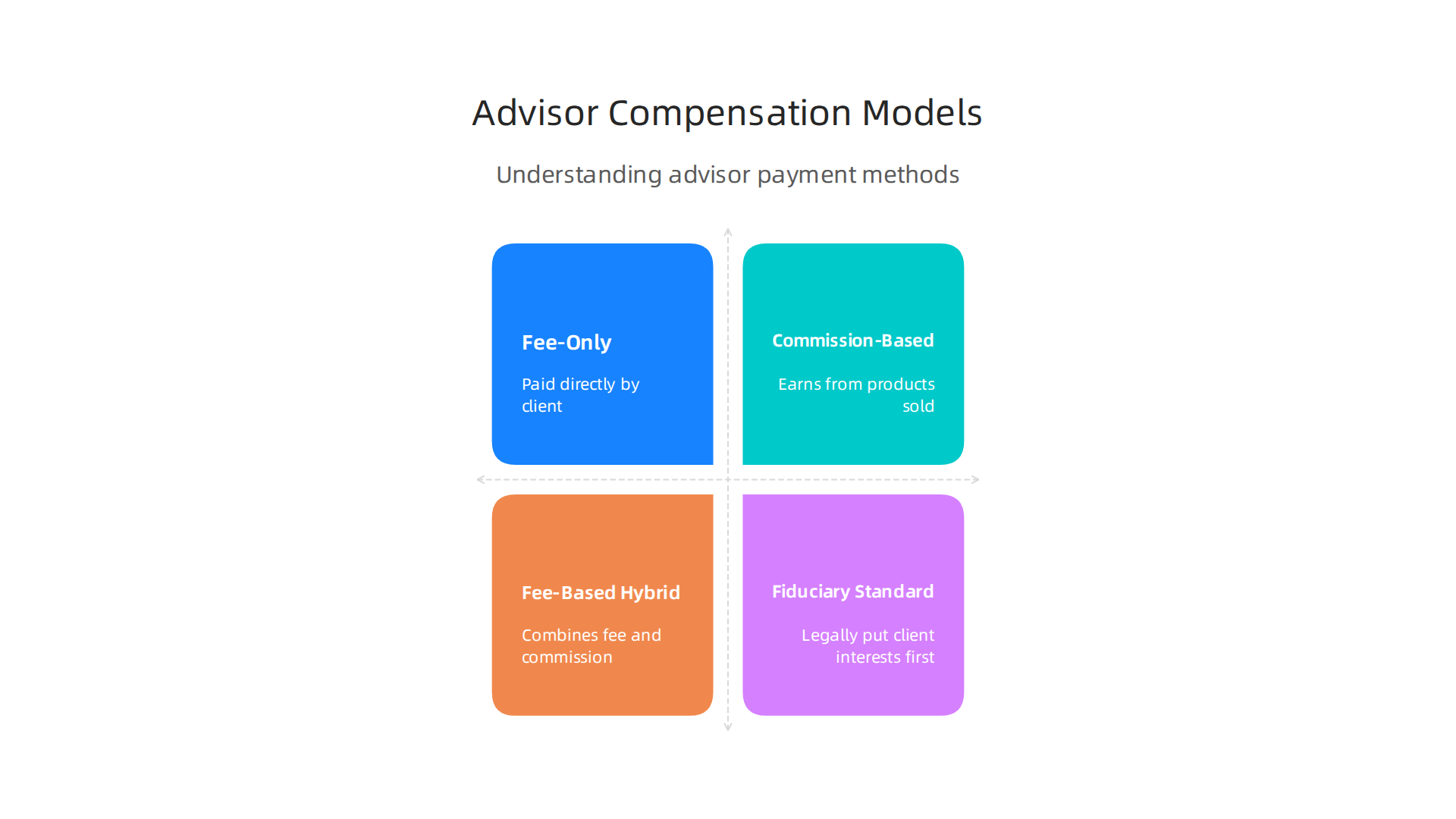
A fee-only advisor is paid directly by you. They charge a flat fee, an hourly rate, or a percentage of the assets they manage. Because they do not earn commissions from selling products, this model naturally lowers conflicts of interest. This is the clearest sign of a fiduciary at work. You can learn more about how this works locally by reading our detailed guide on financial advisor compensation in dubai.
In contrast, a commission-based advisor earns money from the products they sell. This can create a conflict between what is best for you and what pays them the most. Understanding this difference is the first step to choosing a trustworthy partner. For a full breakdown of costs, you can check this financial advisor cost guide and analysis.
Always ask a potential advisor a simple question: "Are you a fiduciary, and how are you compensated?" A transparent advisor will give you a clear answer. If you are ready to work with a professional who follows these high standards for your Dubai property goals, you can connect with Ayaz Salman for a free consultation.
Common Fee Structures
Now let’s get into the details of what you will actually pay. The numbers can vary a lot depending on which model your advisor uses. The 2026 State of Financial Planning Fees study found the average flat fee is about $2,926, while the average hourly rate sits at $307, according to this pros and cons of different advisory fee models analysis.
Here are the most common structures you will find:
Fee-Only (AUM Model)
This is the most popular model among fee-only advisors. You pay a percentage of your total invested assets each year. Most advisors charge between 0.5% and 2% annually, with the average hovering around 1%. If you have $500,000 invested at a 1% rate, that comes to roughly $5,000 per year. This model keeps the advisor focused on growing your portfolio.
Fee-Only (Flat Fee and Hourly)
Some advisors charge a flat fee for a specific service, like creating a full financial plan. These plans typically cost between $1,000 and $7,500. Hourly rates offer even more flexibility, usually falling between $150 and $400 per hour. This works well if you just need advice on one topic, like how to structure a real estate purchase.
Commission-Based
This model is less common now but still exists. The advisor earns money by selling you financial products like insurance or mutual funds. Commissions can range from 3% to 6% of the product value. The conflict here is clear: the advisor may push products that pay them well, not products that serve you best.
Hybrid Models
Many advisors combine two approaches. They might charge a smaller AUM fee plus a flat retainer. Or they might take a commission on certain products while charging fees for planning. Always ask exactly how your advisor gets paid.
If you want to learn more about finding an advisor who puts your interests first, read our guide on how to choose a fiduciary financial advisor in Dubai for property investments.
Fiduciary vs. Suitability Standards
Beyond how they charge, there is another big difference between advisors. It comes down to the legal standard they follow when giving you advice. Understanding this helps you answer the question of what does a financial advisor do for your money.
A fiduciary standard is the gold standard. An advisor who is a fiduciary must legally put your interests ahead of their own.
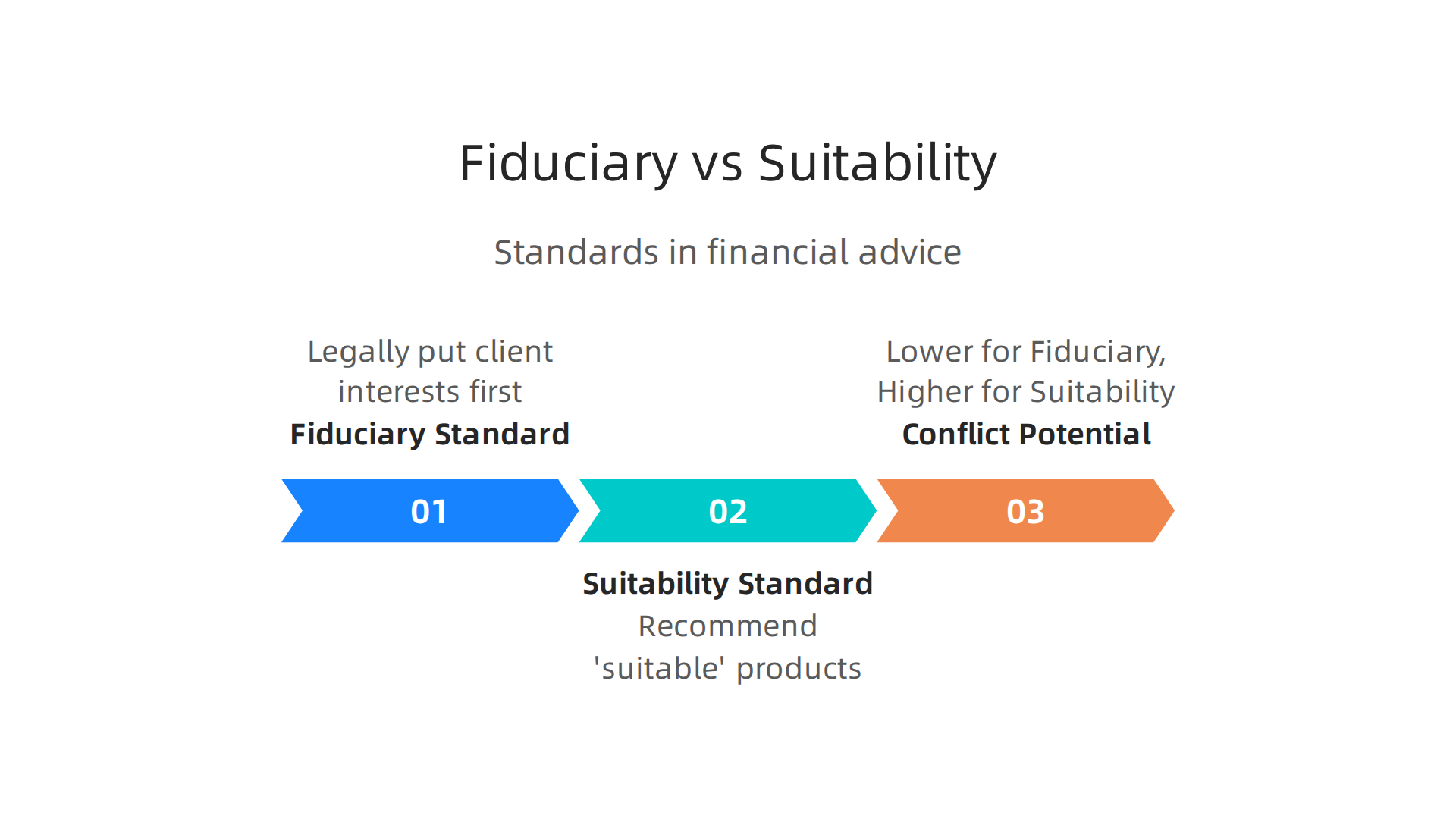
They cannot recommend a product just because it pays them a higher commission. They have to choose the option that is truly best for you. Financial planner Tacy Roby stressed that you should always confirm an advisor is a fiduciary, meaning they are legally required to act in your best interest, as noted in this What to Know About Financial Advisors article.
The suitability standard is weaker. Under this rule, an advisor only has to recommend products that are "suitable" for you. A high-fee mutual fund might be suitable even if a lower-fee fund does the same job. The advisor does not have to put your interests first.
In Dubai, not every advisor follows the fiduciary standard. Some only have to meet the suitability standard. This makes it very important to ask directly: "Are you a fiduciary?" If you want to learn more about what to look for when choosing someone to manage your property investments, read our guide on what does a financial advisor do for Dubai property investors.
Knowing the difference can save you money and stress. If you are ready to connect with a trusted advisor who puts your goals first, contact Ayaz Salman for a free consultation to discuss your Dubai property and wealth plan.
How to Select a Trustworthy Financial Advisor in Dubai
Choosing the right advisor takes a little homework. Start by looking for strong qualifications like a Certified Financial Planner (CFP) or Chartered Financial Analyst (CFA) designation.

As this Financial Advisor Dubai Guide explains, these certifications signal real competence. Next, verify that the advisor is registered with a regulator like the Securities and Commodities Authority (SCA) or the Dubai Financial Services Authority (DFSA). Finally, interview at least two or three advisors. Ask about their experience with international clients and real estate specifically. A great advisor will be transparent about fees and happy to explain their credentials. For deeper guidance on vetting professionals, check out this overview on how to choose a fiduciary financial advisor in Dubai for property.
Key Credentials and Certifications
In a market where almost anyone can call themselves a financial advisor, credentials are your best safety net. The right certifications prove that an advisor has passed tough exams and follows a strict code of ethics. So when you ask what does a financial advisor do to earn your trust, their credentials should be the first thing they show you.
Here are the key certifications to look for in Dubai:
Certified Financial Planner (CFP). This is the global gold standard for holistic financial planning. A CFP professional has deep knowledge of investments, insurance, taxes, retirement, and estate planning. They must also act as a fiduciary, meaning they put your interests first. If you want to know what is a certified financial advisor worth their salt, start here. For a detailed comparison of this and other credentials, check out this guide on how to compare top financial advisor certifications.
Chartered Financial Analyst (CFA). This certification is ideal for investment-focused advisors. CFAs are experts in analyzing securities, managing portfolios, and understanding complex markets. If your primary goal is growing a property portfolio or managing a large investment account, a CFA charterholder brings serious analytical firepower.
CISI (Chartered Institute for Securities & Investment). In the UAE, the Securities and Commodities Authority (SCA) mandates specific CISI exams for advisors working in the capital markets. This makes the CISI certification a locally recognized mark of competence. Many top firms in Dubai require their advisors to hold at least a Level-4 CISI qualification.
Always verify credentials directly with the awarding body. Generic titles like "wealth specialist" or "financial consultant" are not certifications. If an advisor cannot clearly explain what does financial advisor do in terms of their specific qualifications, that is a red flag.
Once you have identified a few well-credentialed advisors, the next step is understanding how they get paid. But first, if you are ready to connect with a verified expert who understands Dubai real estate and how it fits into your broader financial plan, reach out for a free Dubai real estate consultation.
Red Flags and Questions to Ask
Even after an advisor looks great on paper, you still need to dig deeper. Ask the right questions and watch for warning signs before you commit.
Start with compensation. Always ask, "How are you paid?" If the answer is vague, that is a red flag. Some advisors earn commissions by selling specific products. This can create a conflict of interest because they might push products that pay them more, even if those products are not best for you. A trustworthy advisor will explain their fee model clearly. For a deeper look at the most transparent model, read about Fee-Only financial planning and why it minimizes conflicts.
Ask about fiduciary duty. A fiduciary is legally required to put your interests first. Not all financial advisors are fiduciaries. If an advisor says they are not a fiduciary or cannot explain what that means, walk away. You deserve an advisor who puts your goals ahead of their own paycheck. For more on finding a trustworthy partner, check out this guide on how to choose a fiduciary financial advisor in Dubai.
Watch for product pushing. If an advisor hands you a product (like an insurance policy or a specific investment fund) without explaining how it fits your overall planning financial goals, that is a red flag. A good advisor explains risks, fees, and alternatives.
Request references and check their history. Ask for client references you can call. Also check if they have any disciplinary actions on their record with regulators. A trustworthy advisor will have no problem with this.
Remember, if you understand what does a financial advisor do for you, you will notice when something feels off. Trust your gut.
Summary
This article explains what a financial advisor does for people investing in Dubai real estate, showing how advisors connect wealth planning with property decisions, residency goals, and cross-border tax issues. It covers the advisor’s core duties—creating financial plans, monitoring portfolios, and advising on real estate as part of a diversified strategy—plus how they help investors meet Golden Visa requirements and structure ownership for tax efficiency. The piece outlines advisor types (robo-advisors, planners, wealth managers, real-estate specialists), common fee models, and the difference between fiduciary and suitability standards. It also explains which credentials and regulators to check in Dubai and gives practical red flags and interview questions to spot conflicts of interest. After reading, you’ll know how to vet advisors, understand typical costs, and take concrete next steps to align Dubai property with your long‑term wealth and residency plans.